Have you ever wondered? if the decisions you make, do not necessarily originate from you?
We live in a world that works towards pleasing the naked eye. But have we ever, at the very first glance, stopped to think? Visual appearances can be deceiving. But maybe, we are not as smart as we think we are. Everything we see and experience is a maze in itself, a pattern far more complex than even Fibonacci’s sequence at times.
But who is the magician that curates such an illusion in our brains? we live in a modern concrete jungle that has disrupted all balance. The rulers are multi-corporates that control our consuming behaviour. I am no longer writing with context to the food chain, or the ecological balance. I am indeed mentioning about the illusion, we have become accustomed to. Whatever pleases the eye, is what we now desire.
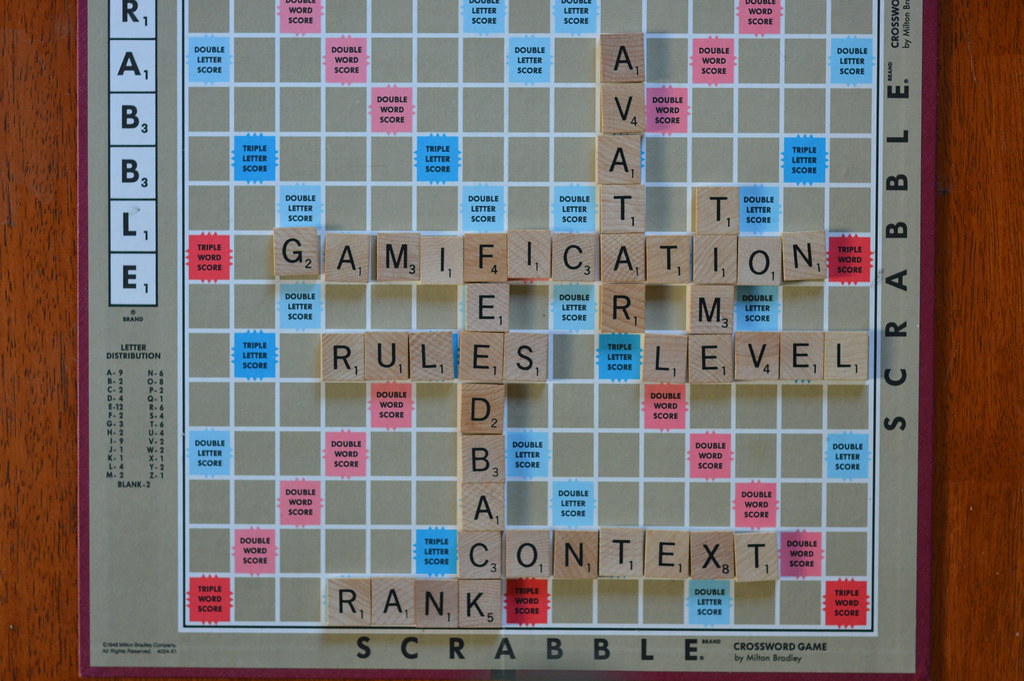
Gamification, has nothing to do with how we perceive it at the very first glance. Our vision portrays the term to be related to gaming and childhood extravaganzas, when in reality, the illusion is defined as the application of game design elements in several non-game contexts (Huotari & Hamari, 2016).
Well, in order to be more precise, it is a phenomenon adopted by organisations to create an imaginative game scenario for our human brain, which relates to common elements observed during a game, such as point scoring, competition or even following a set of rules in order to complete our given quest and receive a reward at the end. What was a simple strategy in a game, is now a marketing technique used for product placement and customer acquisitions (Deterding, 2012).
Gamification according to researchers (Arakawa & Matsuda, 2016), is believed to be a novel incentive used in order to determine the sense of participatory function and behaviours among several individuals across a similar platform, for a similar type of interest shared by these individuals. This very form is calculated through a form of incentive mechanisms, allowing its users to gain a holistic approach towards gaining rewards or bonuses that helps them reach their goal or an end product set by their representing brand.
Hungry Jack’s is a common example used in explaining gamification models, their game based model of “Shake and Win” allows consumers to take situational advantage of using their services and platform from time to time in order to benefit from their offers, regardless of them being a loyal or frequent consumer of the products (Adrenalin media, 2020).
This has enabled them to psychologically appoint their customers to retain the application for periodical use, in a sense, they are still retaining customers, as well as maintaining steady flow in business, with the free marketing they will get towards the end of their customer’s departure (Sailer et al., 2017).
Gamification has allowed users to be mentally motivated towards putting in that extra effort while doing the tasks we otherwise wouldn’t, even if were being asked to do nicely. And why would we? what did we get out of it? these very questions, enabled the application of rewards in our every day life.
We as humans, are never just satisfied with one thing, we are looking to make the most of everything available around us, to gain that maximum benefit or so we think. While we believe that we make a bit extra, the company takes the benefit of the doubt and gets the most of its consumers, without them even realising, where we have helped them even more.
Gamification is not always applied to make the most off their consumers. Several organisations work towards motivating their customers, to become more loyal or keep them engaged across the various activities, their companies cater to.
We can see a major incline in the use of gamification models in the fitness industries. Several sports brand and fitness applications have created a rewards based programs through the help of system developed applications that can be used straight form the user’s smart devices, that are so easily accessible.
It is not just in the brand’s interest, but also the consumer’s demand for such a motivation based platforms that helps them develop into better performing humans and not at the price of just self motivation, but repeated and constant rewards that is growth based.
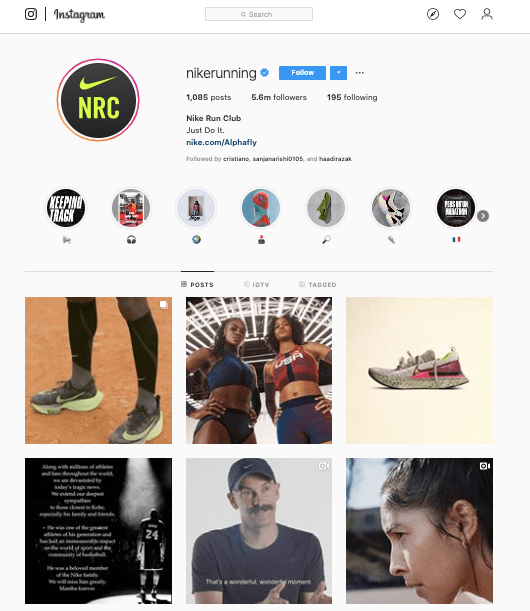
My main focus is on Nike+ app available that helps create a competitive platform through their Fuel campaign. It has several features, such as the Nike Run Club app and the Nike Training club app, which caters to tasks and competitions that further rewards into unlocking levels of furthermore accessible features.
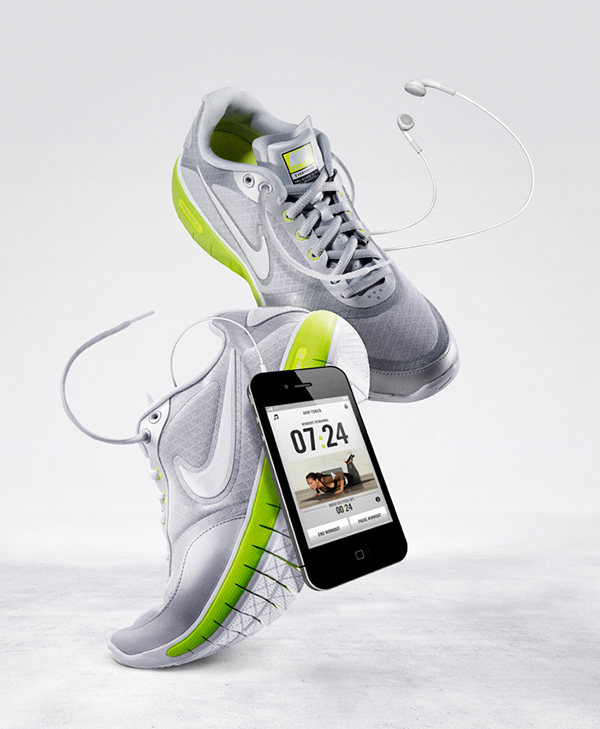
Nike, as we all know is a global brand. Its a brand we trust, love and sometimes even blindly follow. Yes, we don’t need any solid justification when its all about Nike, the reason for this is because, Nike have been one of the most succesfull models in gamification. Nike has enhanced user motivation towards becoming a better athlete or towards desiring to become fit, with their self sustained Nike+ application.
It is a mobile app that is available to all free of cost. It also featured for its users to go online and campaign about their hunger towards fitness and thirst of gaining more, through a healthy competition over the various social media platforms amongst their own friends.
This has seen huge amounts of positive impacts, the application of gamification being integrated into our everyday lives has brought, also showing us the potential of the model in the near future, being used towards customer/consumer benefit, rather than a means of exploitation of its users.
References
Adrenalin media (2020). Hungry Jack’s Mobile App + Website Platform – Adrenalin. [online] Adrenalin. Available at: https://www.adrenalinmedia.com.au/work/hungry-jacks/ [Accessed 1 Feb. 2020].
Arakawa, Y. and Matsuda, Y. (2016). Gamification Mechanism for Enhancing a Participatory Urban Sensing: Survey and Practical Results. Journal of Information Processing, 24(1), pp.31-38.
Deterding, S. (2012). Gamification. interactions, 19(4), p.14.
Huotari, K. and Hamari, J. (2016). A definition for gamification: anchoring gamification in the service marketing literature. Electronic Markets, 27(1), pp.21-31.
Sailer, M., Hense, J., Mayr, S. and Mandl, H. (2017). How gamification motivates: An experimental study of the effects of specific game design elements on psychological need satisfaction. Computers in Human Behavior, 69, pp.371-380.
Image sources:
Fibonacci’s sequence art by beats people movement – https://search.creativecommons.org/photos/e72f71e1-136c-4465-85cb-3b360997298f
Scrabble gamification – https://search.creativecommons.org/photos/d57f52b2-5744-403f-b15c-3acfb408f879
Hungry Jack’s brain freeze image – https://search.creativecommons.org/photos/1b879d57-d078-436c-a364-acaba470feb4
Nike + app – https://search.creativecommons.org/photos/21986765-3a8b-4c14-901f-1f5ff3ac6598
Nike Run club, Instagram page from Medhajit Katari’s profile – https://www.instagram.com/nikerunning/?hl=en



 Sportspedia